— Catálogo
Anti-Aging
Research on cellular aging does not follow a single line, and this category reflects that. The compounds here address very different mechanisms: telomere length, clearance of senescent cells, extracellular-matrix synthesis and NAD+ metabolism.
Showing all 10 results
-

Anti-Aging
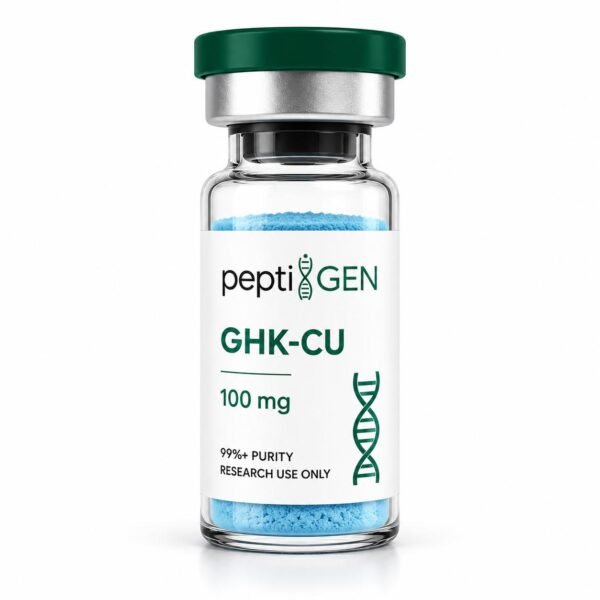
GHK-Cu 100mg
GHK-Cu 100 mg, high-purity lyophilized compound for scientific research. HPLC-verified batch.
-
Anti-Aging
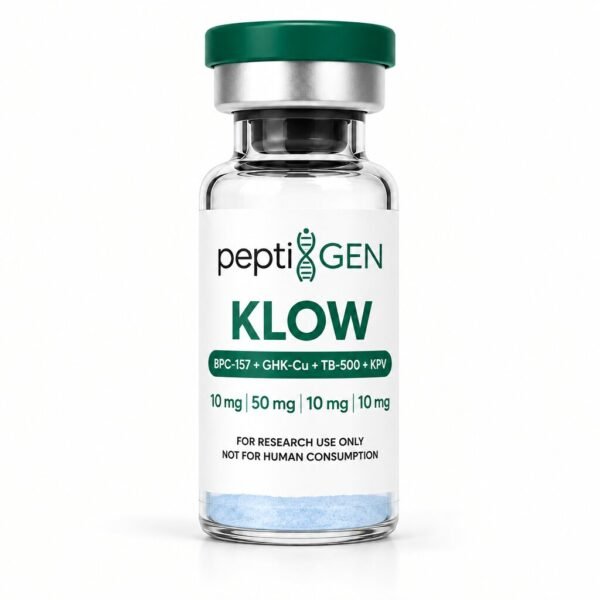
Klow 80mg
Klow 80 mg, high-purity lyophilized compound for scientific research. HPLC-verified batch.
-
Anti-Aging
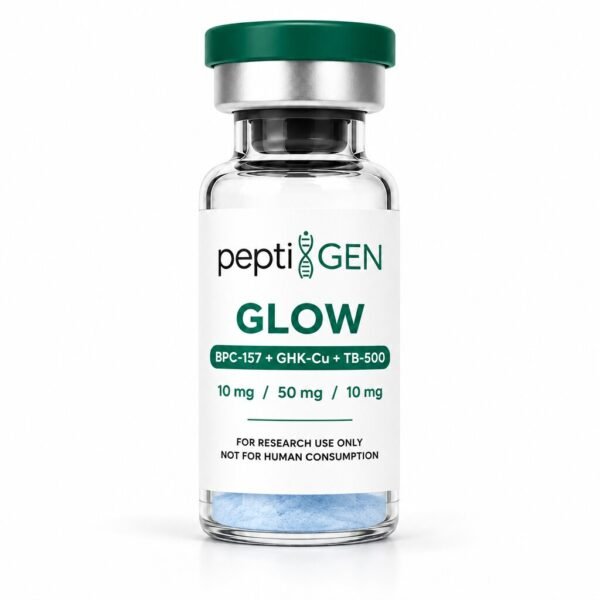
Glow 70mg
Glow 70 mg, high-purity lyophilized compound for scientific research. HPLC-verified batch.
-
Anti-Aging
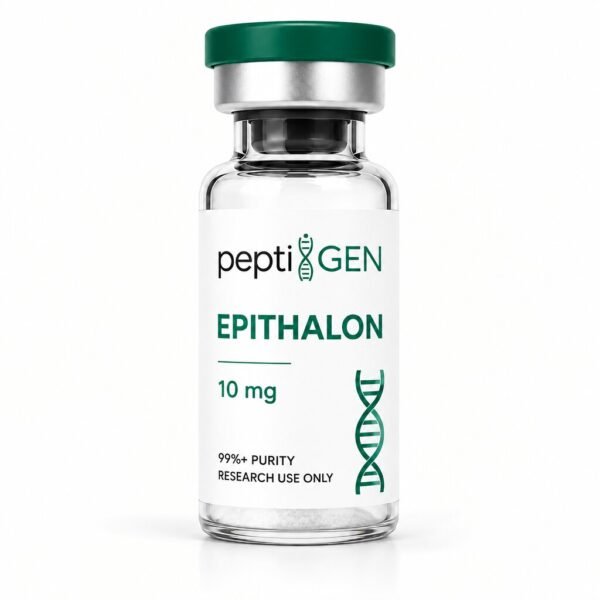
Epithalon 10mg
Epithalon 10 mg, high-purity lyophilized compound for scientific research. HPLC-verified batch.
-
Anti-Aging
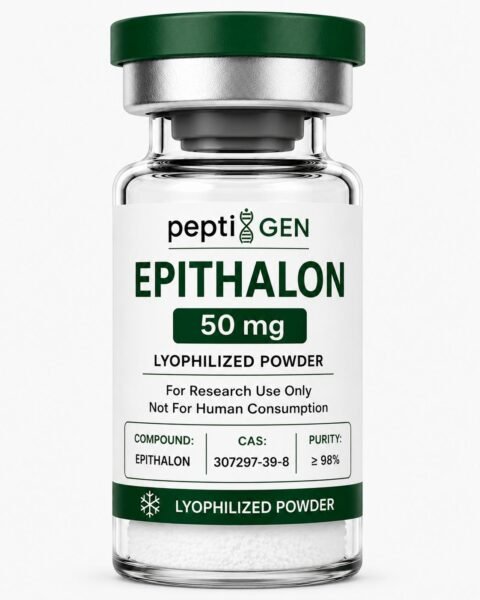
Epithalon 50mg
Epithalon 50 mg, high-purity lyophilized compound for scientific research. HPLC-verified batch.
-
Anti-Aging
MT2 (Melanotan II) 10mg
MT2 (Melanotan II) 10 mg, high-purity lyophilized compound for scientific research. HPLC-verified batch.
-
Anti-Aging
NAD+ 1000mg
NAD+ 1000 mg, high-purity lyophilized compound for scientific research. HPLC-verified batch.
-
Anti-Aging
NAD+ 500mg
NAD+ 500 mg, high-purity lyophilized compound for scientific research. HPLC-verified batch.
-
Anti-Aging
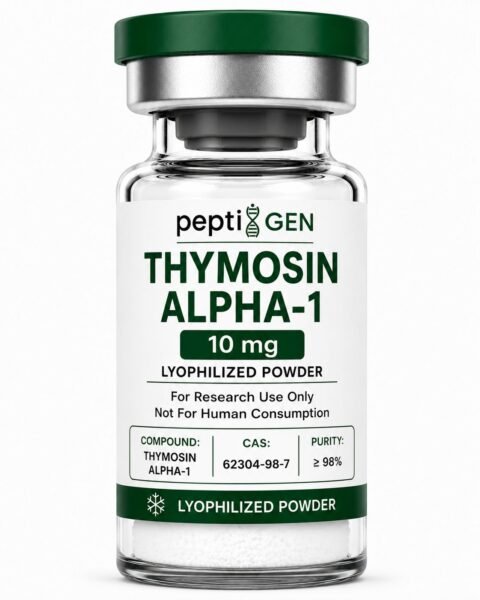
Thymosin Alpha-1 10mg
Thymosin Alpha-1 10 mg, high-purity lyophilized compound for scientific research. HPLC-verified batch.
-
Anti-Aging
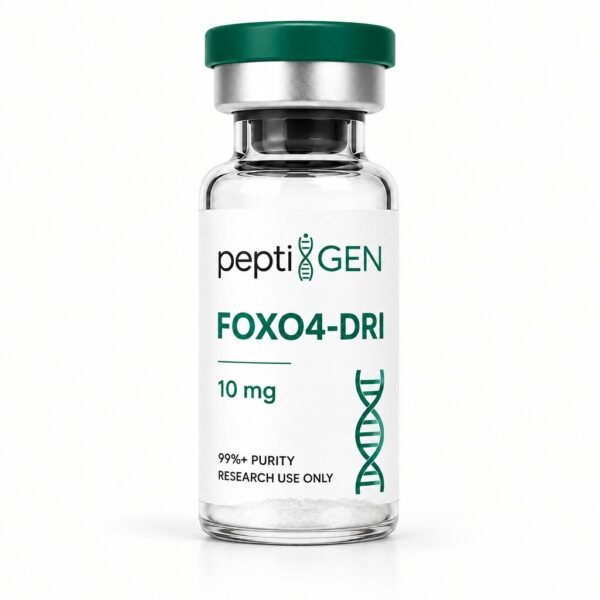
FOXO4-DRI 10mg
FOXO4-DRI 10 mg, high-purity lyophilized compound for scientific research. HPLC-verified batch.
Extracellular matrix and repair
GHK-Cu is a copper tripeptide naturally present in human plasma, whose concentration falls with age (from about 200 ng/mL at 20 to about 80 ng/mL at 60). That decline is what motivates its study: the complex carries copper into cells, and copper is a cofactor for the enzymes that assemble the extracellular matrix. The Glow and Klow formulations start from it and add other repair peptides; Klow adds a fourth component, KPV, for the inflammatory-modulation pathway.
Telomeres, senescence and metabolism
Epithalon is investigated for its relationship with telomerase. FOXO4-DRI is a senolytic agent, studied for its ability to interfere with the survival of senescent cells. NAD+ is not a peptide but a coenzyme, an obligatory substrate for sirtuins and PARP enzymes, whose cellular levels fall with age. Thymosin Alpha-1 is studied in immune signaling and Melanotan II, a melanocortin analog, in dermatological research.
Products in this category
- Epithalon 10mg
- Epithalon 50mg
- FOXO4-DRI 10mg
- GHK-Cu 100mg
- Glow 70mg
- Klow 80mg
- MT2 (Melanotan II) 10mg
- NAD+ 1000mg
- NAD+ 500mg
- Thymosin Alpha-1 10mg
All products in this category are intended exclusively for scientific research and laboratory development. They are not medicines, hold no INVIMA sanitary registration and are not fit for human or animal consumption.