— Catálogo
Energy & Vitality
The common thread in this category is the mitochondrion and, more broadly, the signaling that regulates how a cell uses energy. It includes a recently discovered family, peptides encoded by mitochondrial DNA, alongside molecules that act on membrane structure or on energy sensors.
Showing all 12 results
-

Energy & Vitality
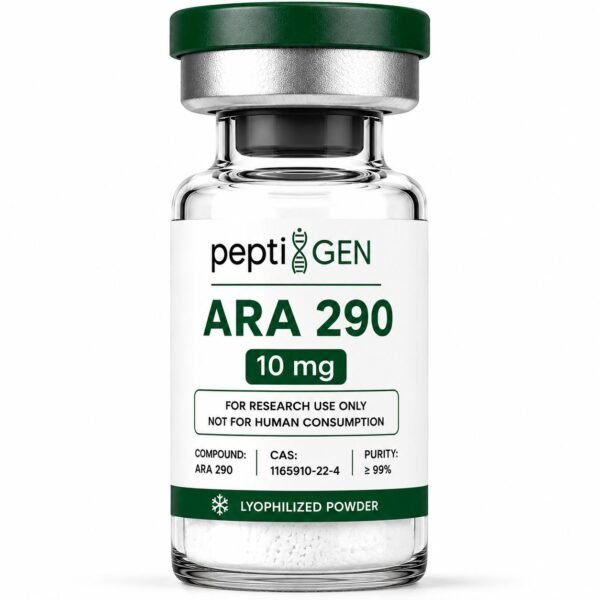
ARA-290 10mg
ARA-290 10 mg, high-purity lyophilized compound for scientific research. HPLC-verified batch.
-
Energy & Vitality
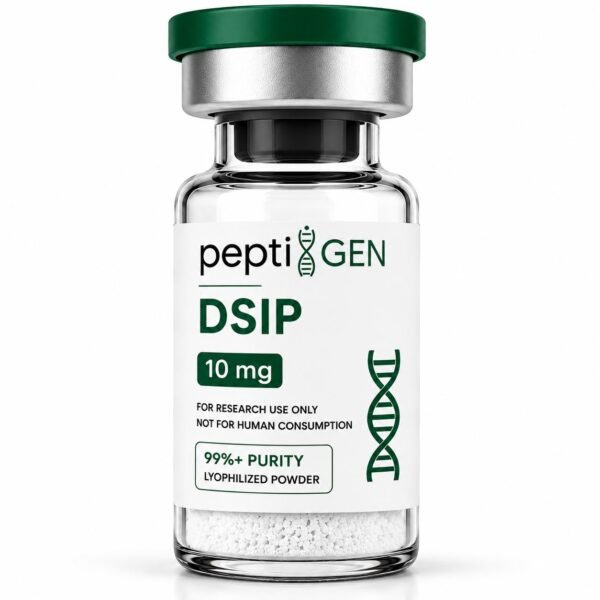
DSIP 10mg
DSIP 10 mg, high-purity lyophilized compound for scientific research. HPLC-verified batch.
-
Energy & Vitality
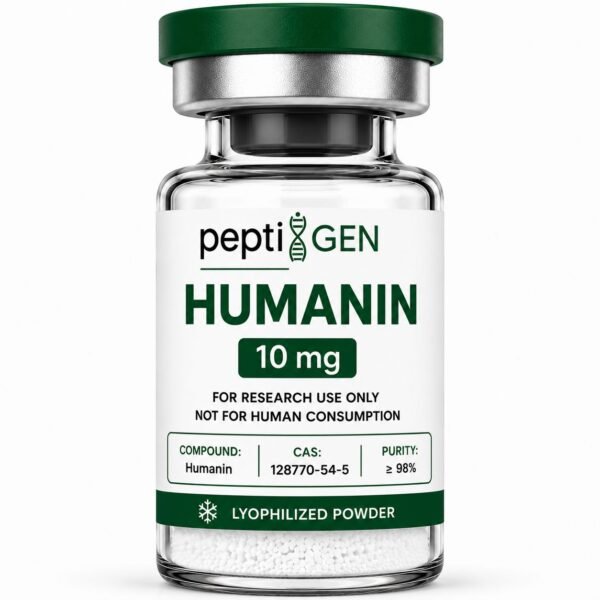
Humanin 10mg
Humanin 10 mg, high-purity lyophilized compound for scientific research. HPLC-verified batch.
-
Energy & Vitality
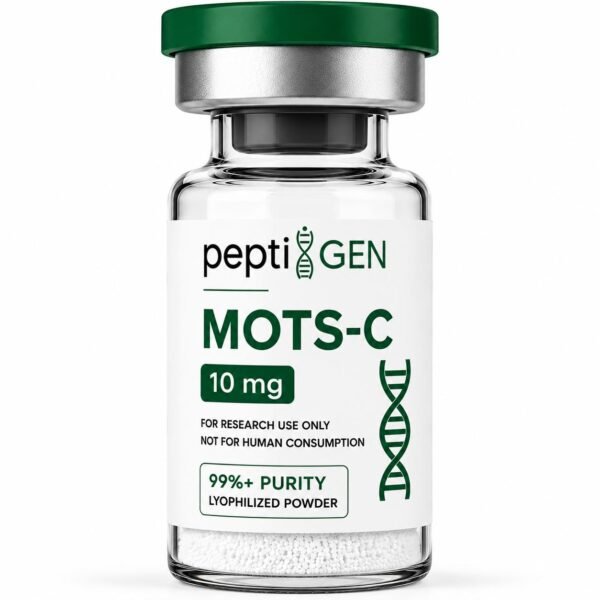
MOTS-c 10mg
MOTS-c 10 mg, high-purity lyophilized compound for scientific research. HPLC-verified batch.
-
Energy & Vitality
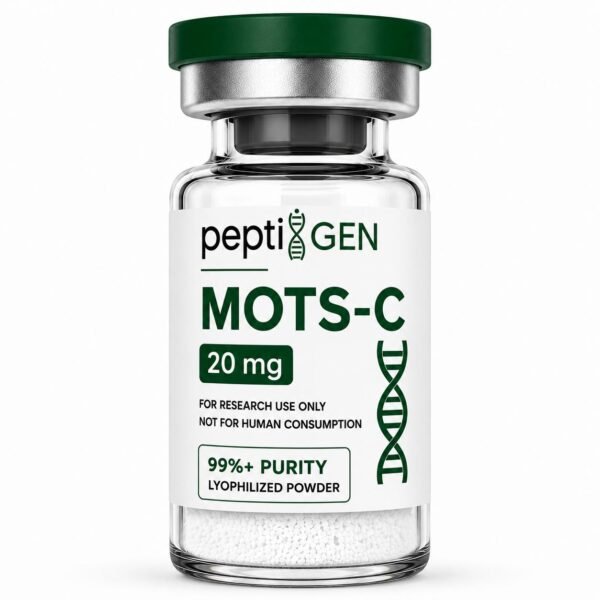
MOTS-c 20mg
MOTS-c 20 mg, high-purity lyophilized compound for scientific research. HPLC-verified batch.
-
Energy & Vitality
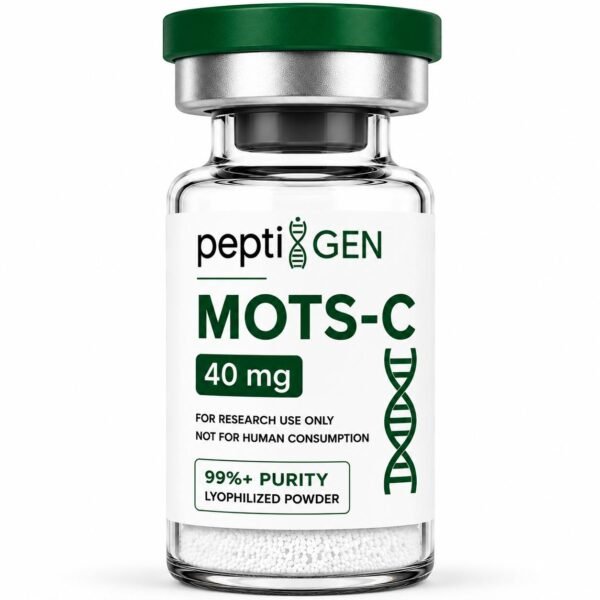
MOTS-c 40mg
MOTS-c 40 mg, high-purity lyophilized compound for scientific research. HPLC-verified batch.
-
Energy & Vitality
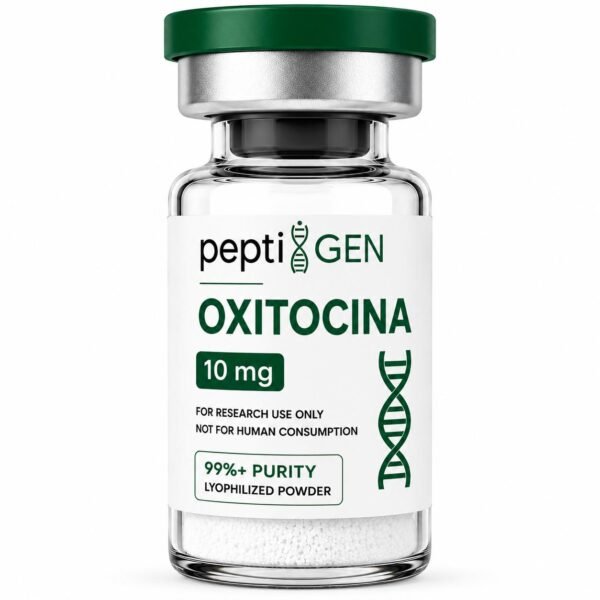
Oxytocin 10mg
Oxytocin 10 mg, high-purity lyophilized compound for scientific research. HPLC-verified batch.
-
Energy & Vitality
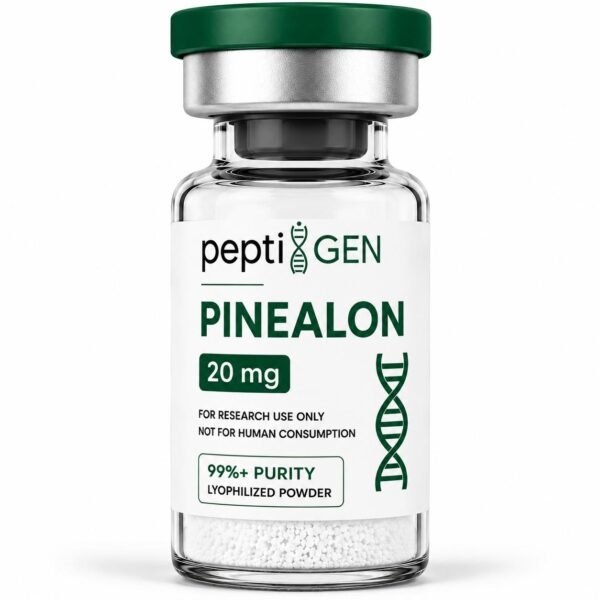
Pinealon 20mg
Pinealon 20 mg, high-purity lyophilized compound for scientific research. HPLC-verified batch.
-
Energy & Vitality
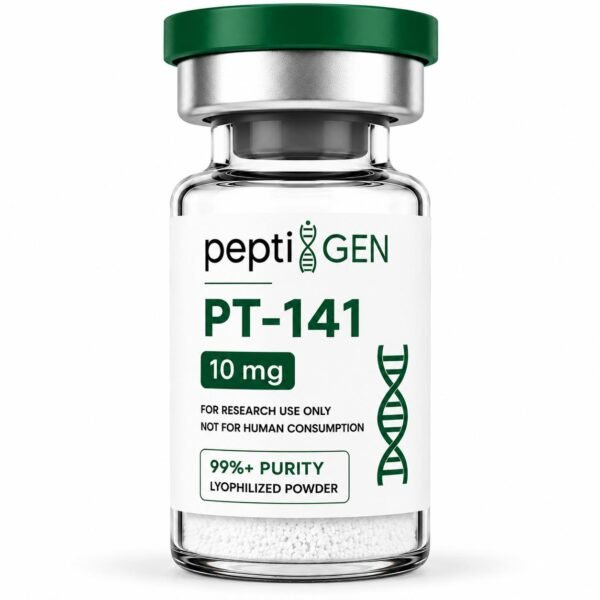
PT-141 10mg
PT-141 10 mg, high-purity lyophilized compound for scientific research. HPLC-verified batch.
-
Energy & Vitality
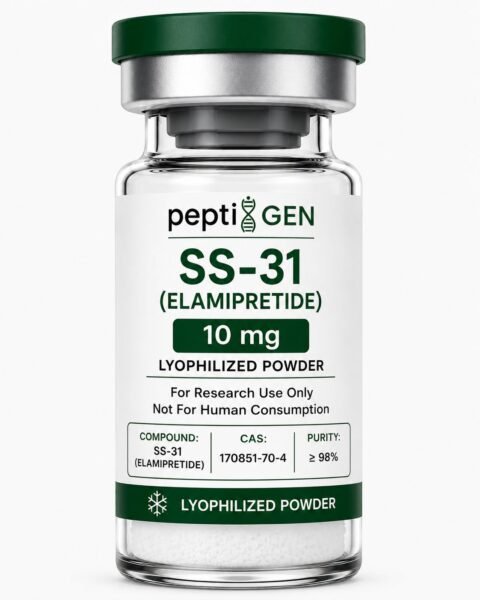
SS-31 (Elamipretide) 10mg
SS-31 (Elamipretide) 10 mg, high-purity lyophilized compound for scientific research. HPLC-verified batch.
-
Energy & Vitality
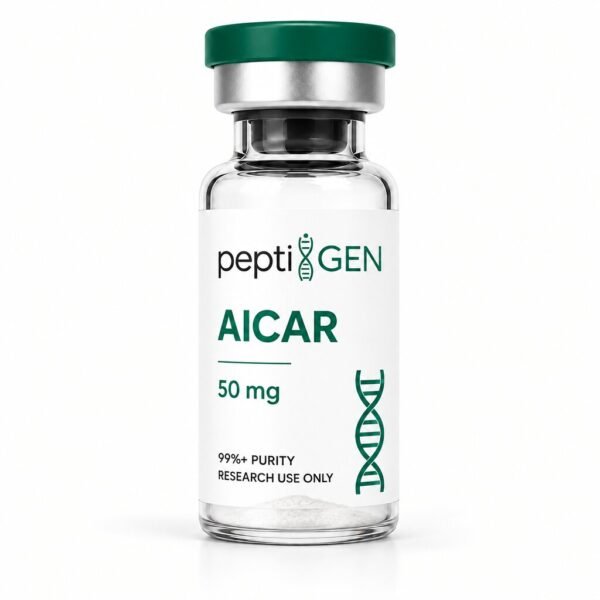
AICAR 50mg
AICAR 50 mg, high-purity lyophilized compound for scientific research. HPLC-verified batch.
-
Energy & Vitality
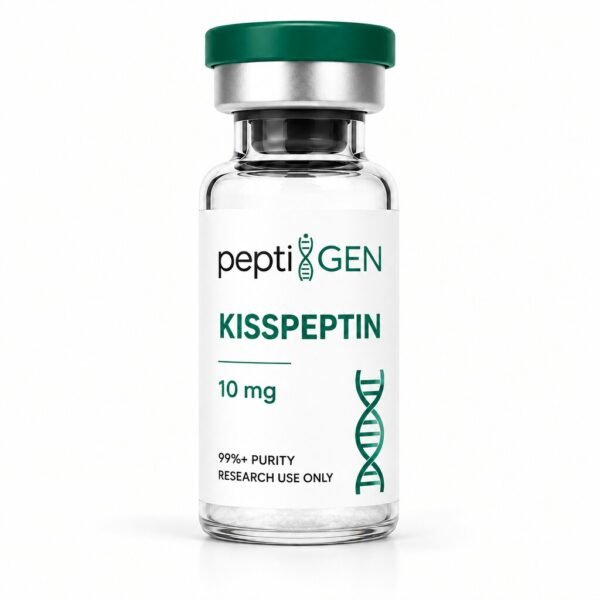
Kisspeptin 10mg
Kisspeptin 10 mg, high-purity lyophilized compound for scientific research. HPLC-verified batch.
Mitochondrial peptides
Humanin and MOTS-c are both encoded by mitochondrial DNA rather than the nuclear genome. Humanin was described first; MOTS-c, a 16-amino-acid peptide, is studied through AMPK activation, the cell’s central energy sensor. SS-31 (elamipretide) approaches the mitochondrion from a different angle: it binds and stabilizes cardiolipin in the inner membrane. AICAR, a nucleoside analog, is a standard tool for activating AMPK.
Signaling and regulation
ARA-290 reproduces only the region of erythropoietin that interacts with the tissue-repair receptor, with no effect on red-cell production. Pinealon belongs to the short bioregulator peptides. Kisspeptin regulates GnRH release; PT-141 is a centrally acting melanocortin analog; DSIP is studied in relation to circadian rhythms; and oxytocin acts both as a peripheral hormone and a central neurotransmitter.
Products in this category
- AICAR 50mg
- ARA-290 10mg
- DSIP 10mg
- Humanin 10mg
- Kisspeptin 10mg
- MOTS-c 10mg
- MOTS-c 20mg
- MOTS-c 40mg
- Oxytocin 10mg
- Pinealon 20mg
- PT-141 10mg
- SS-31 (Elamipretide) 10mg
All products in this category are intended exclusively for scientific research and laboratory development. They are not medicines, hold no INVIMA sanitary registration and are not fit for human or animal consumption.