— Catálogo
Weight Management
The peptides in this category share one field of study: metabolic regulation. They are not a homogeneous group; what brings them together is the research question they address, and understanding how they differ is what lets you pick the right material for a protocol.
Showing 1–12 of 17 results
-

Weight Management
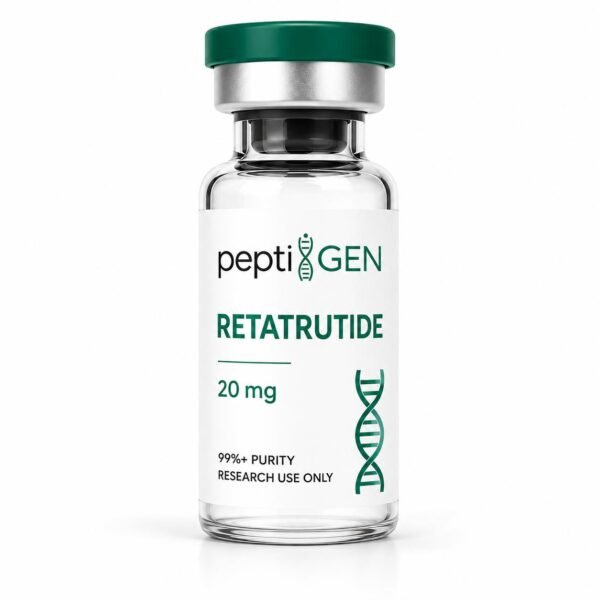
Retatrutide 20mg
Retatrutide 20 mg, high-purity lyophilized compound for scientific research. HPLC-verified batch.
-
Weight Management
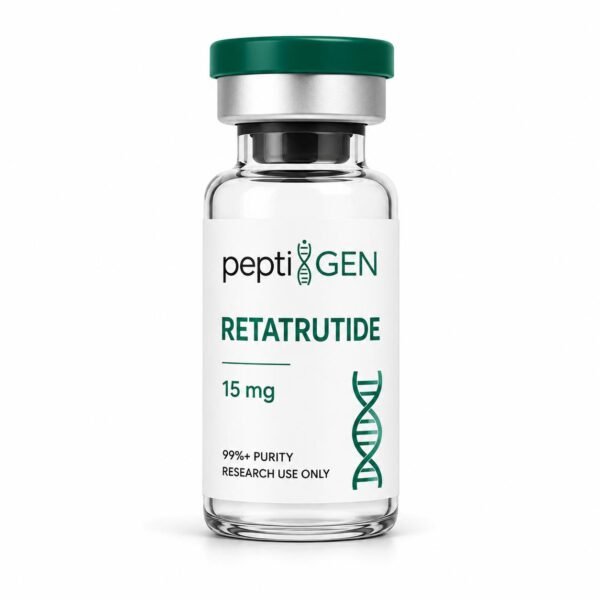
Retatrutide 15mg
Retatrutide 15 mg, high-purity lyophilized compound for scientific research. HPLC-verified batch.
-
Weight Management
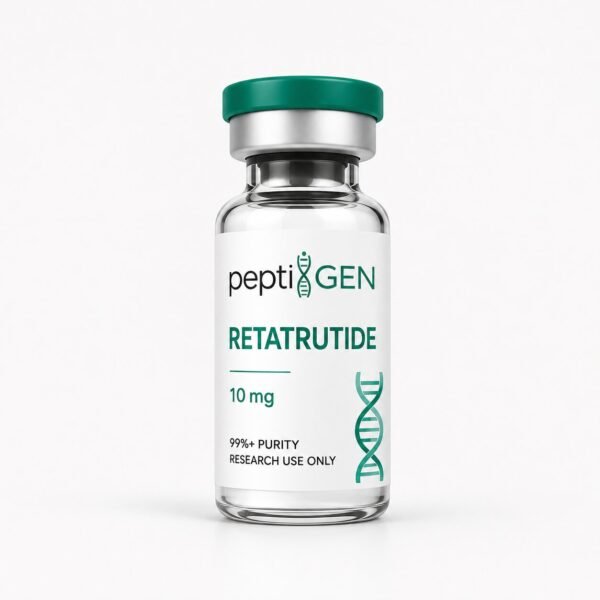
Retatrutide 10mg
Retatrutide 10 mg, high-purity lyophilized compound for scientific research. HPLC-verified batch.
-
Sale
Weight Management
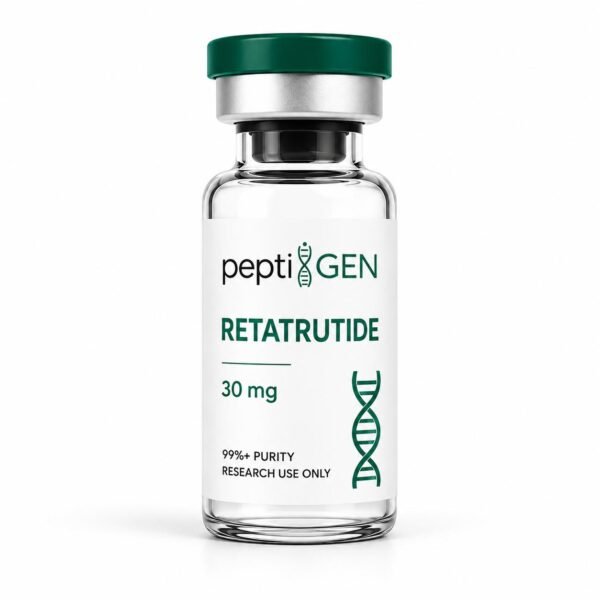
Retatrutide 30mg
Retatrutide 30 mg, high-purity lyophilized compound for scientific research. HPLC-verified batch.
-
Weight Management
Tirzepatide 30mg
Tirzepatide 30 mg, high-purity lyophilized compound for scientific research. HPLC-verified batch.
-
Weight Management
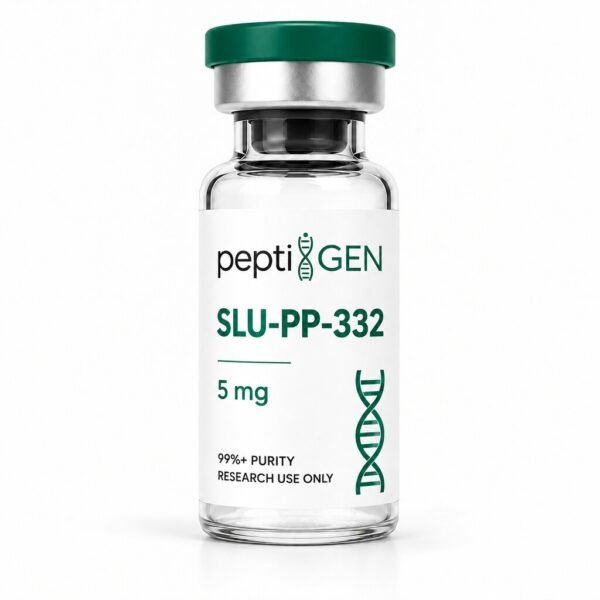
SLU-PP-332 5mg
SLU-PP-332 5 mg, high-purity lyophilized compound for scientific research. HPLC-verified batch.
-
Weight Management
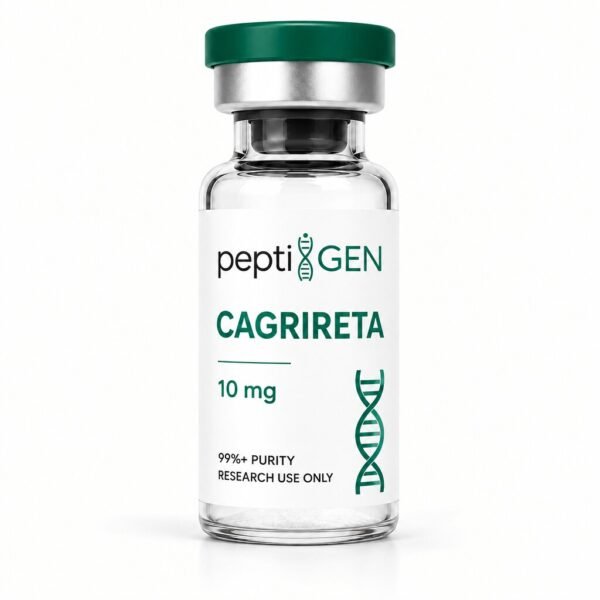
CagriReta 10mg
CagriReta 10 mg, high-purity lyophilized compound for scientific research. HPLC-verified batch.
-
Weight Management
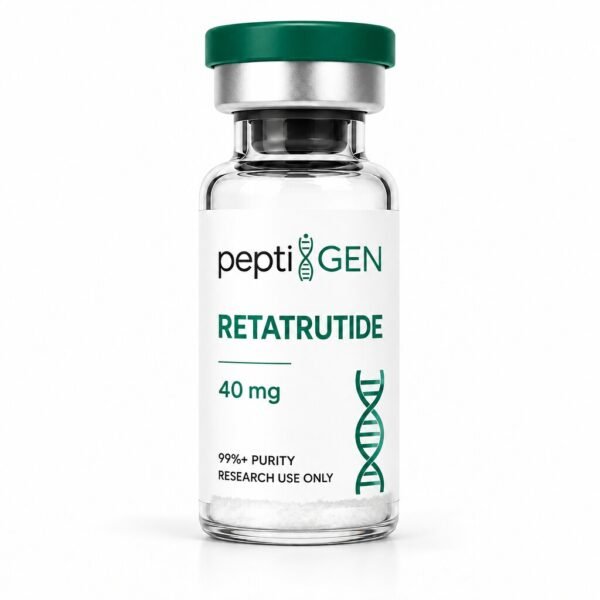
Retatrutide 40mg
Retatrutide 40 mg, high-purity lyophilized compound for scientific research. HPLC-verified batch.
-
Weight Management
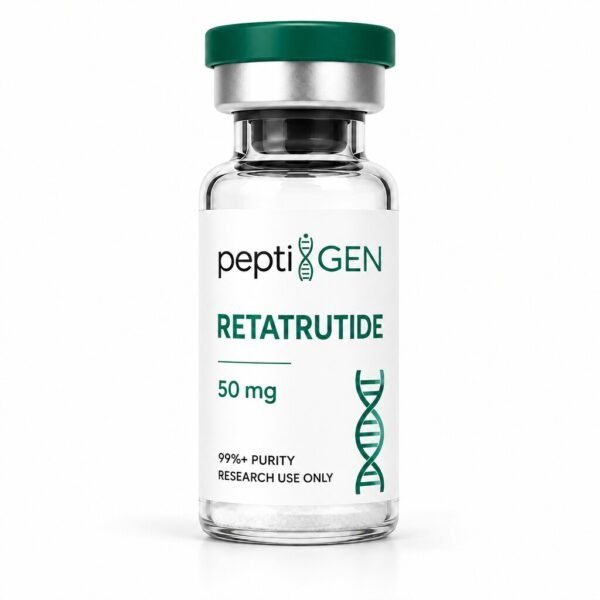
Retatrutide 50mg
Retatrutide 50 mg, high-purity lyophilized compound for scientific research. HPLC-verified batch.
-
Weight Management
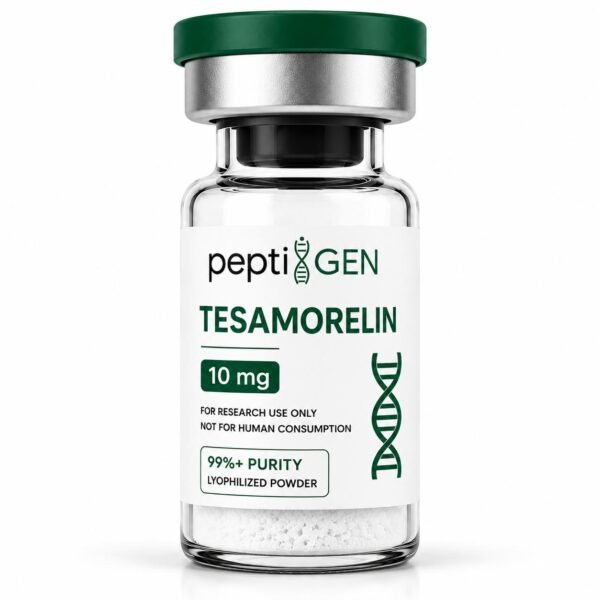
Tesamorelin 10mg
Tesamorelin 10 mg, high-purity lyophilized compound for scientific research. HPLC-verified batch.
-
Weight Management
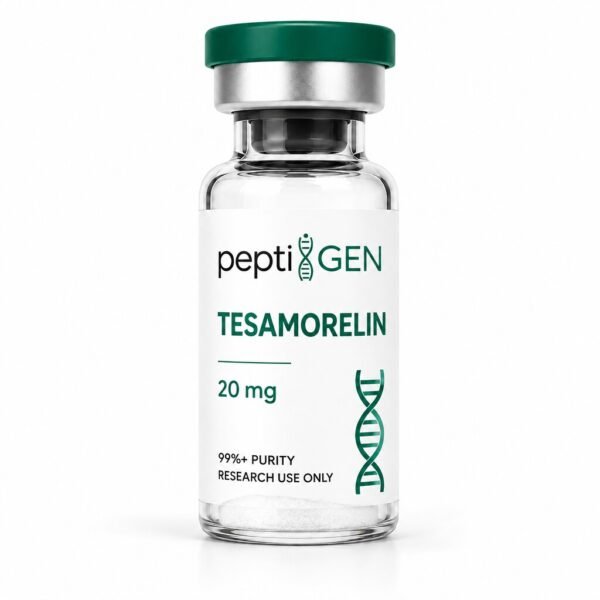
Tesamorelin 20mg
Tesamorelin 20 mg, high-purity lyophilized compound for scientific research. HPLC-verified batch.
-
Weight Management
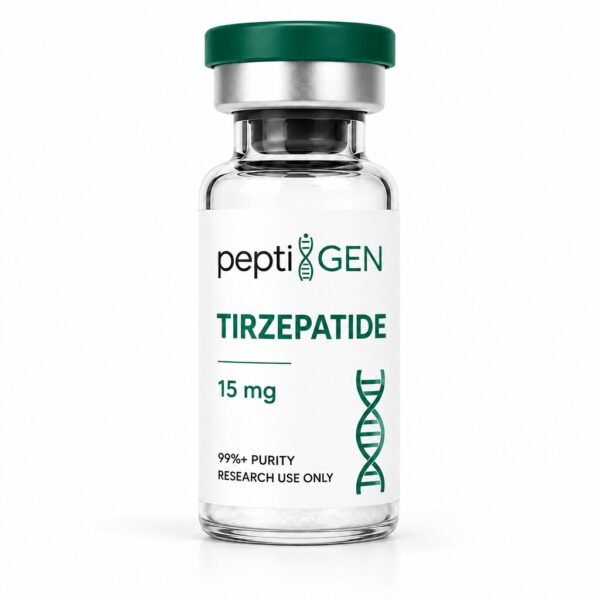
Tirzepatide 15mg
Tirzepatide 15 mg, high-purity lyophilized compound for scientific research. HPLC-verified batch.

The pathways under investigation
The largest group is the incretin agonists. Incretins are gut hormones released with food intake, and the compounds in this group differ in how many receptors they activate: Tirzepatide acts on two (GIP and GLP-1), while Retatrutide adds a third axis, the glucagon receptor, which the literature associates with energy expenditure.
Amylin analogs work through a different route. Amylin is co-secreted with insulin and signals satiety through its own receptors in the central nervous system. Cagrilintide represents this line, and CagriReta combines both approaches in a single preparation.
GHRH analogs such as Tesamorelin do not act on satiety but on the growth hormone axis; their literature focuses on visceral adipose tissue. AOD-9604 reproduces only fragment 176-191 of growth hormone, the region linked to lipid metabolism.
Finally, the small molecules, which are not peptides: 5-Amino-1MQ inhibits the NNMT enzyme in adipose tissue, and SLU-PP-332 acts on nuclear receptors involved in oxidative metabolism.
Before you choose
Different presentations of the same compound differ only in vial content; molecule and purity are identical. Higher milligram amounts lower the cost per milligram and suit longer protocols. All material ships lyophilized and requires bacteriostatic water for reconstitution.
Products in this category
- 5-Amino-1MQ 10mg
- AOD-9604 10mg
- Cagrilintide 10mg
- CagriReta 10mg
- Retatrutide 10mg
- Retatrutide 15mg
- Retatrutide 20mg
- Retatrutide 30mg
- Retatrutide 40mg
- Retatrutide 50mg
- SLU-PP-332 5mg
- Tesamorelin 10mg
- Tesamorelin 20mg
- Tirzepatide 15mg
- Tirzepatide 30mg
- Tirzepatide 40mg
- Tirzepatide 60mg
All products in this category are intended exclusively for scientific research and laboratory development. They are not medicines, hold no INVIMA sanitary registration and are not fit for human or animal consumption.